
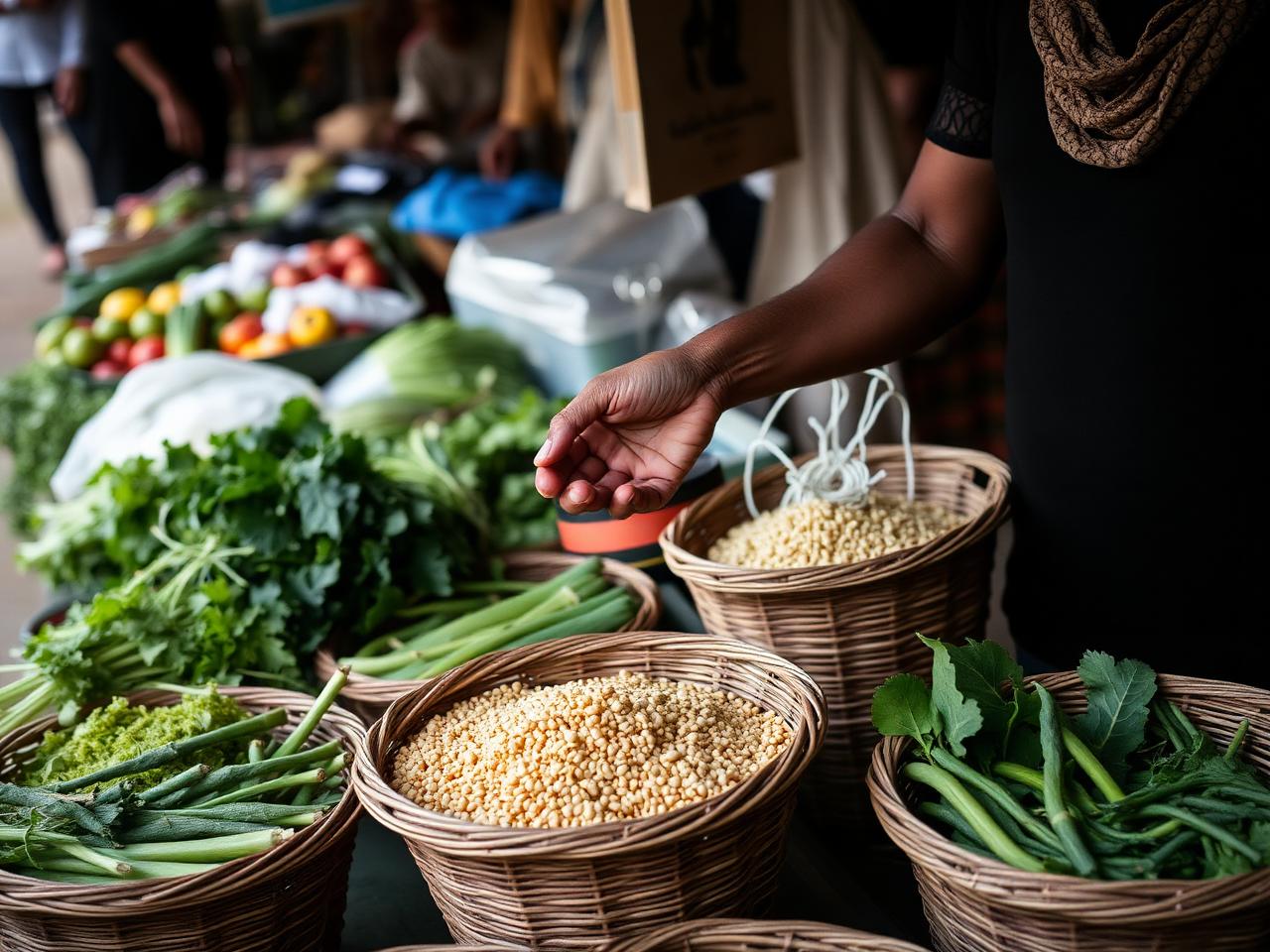
Plate 03 · Innovation prize design · Food system
Designing a prize the sector helped shape
Designing and managing the inaugural Inqola FEED Innovation Prize — embedding inclusion and systems thinking from sectoral consultation to final winners.
- Partner
- FEED (Food Equity, Equality & Democracy)
- Role
- End-to-end prize design & management
- Year
- 2020-2021
Innovation prizes are usually built around the people running them. We wanted this one to be built around the people it was meant to serve. The Inqola FEED Innovation Prize was created to surface ideas and solutions with the potential to make a meaningful difference in South Africa's food system — a system that, even before COVID-19 exposed its fragility, was already producing enough food while leaving many households hungry.
Impact CoLab designed and managed the inaugural Prize end-to-end on behalf of FEED. Rather than treating inclusion and systems thinking as values to be referenced in the marketing copy, we worked to embed them into every stage of the process: who got to shape the brief, what counted as a strong entry, how entries were evaluated, and how the work was communicated outward.
The design process began by going to the sector itself. We ran a consultation with food-system practitioners, farmer-support organisations, movements and labs — the people closest to the problems the Prize was hoping to attract solutions for. Their input shaped foundational decisions: who could enter, what kinds of solutions to prioritise, which criteria mattered, and what timeline of impact to weigh. The result was a Prize brief grounded in the realities and priorities of the sector, not assumed from the outside.
From there we built the architecture of the Prize. We focused the inaugural round on internet-based solutions because of their potential to scale quickly, and organised entries around five thematic areas: local economies, circularity, supply chains, agroecology, and capacity building. We designed an evaluation framework that scored entries across strategy, innovation, systems thinking, collaboration, inclusivity, and impact — explicitly rewarding multidisciplinary teams and discouraging tunnel-vision solutions. We then managed the operational arc: outreach and partner coordination, entry intake, the judging process and panel facilitation, and the communications around the announcement of the winners.
The value of designing a prize this way is not in the leaderboard. It is in what the process itself contributes to the sector: a brief that practitioners recognise as their own, evaluation criteria that take systems thinking seriously, and a credible signal to innovators that this is a space worth entering. The inaugural Prize left behind a pipeline of innovators engaged with food-system change, stronger ties between FEED and a network of partners working alongside it, and a replicable design that future rounds can build on without losing the participatory spirit that shaped the first.
Next plate